Your Guide to Men's Nutritional Insights
Educational content only. No promises of outcomes.
Key Components of a Balanced Diet
Macronutrients are the fundamental building blocks that fuel your body. They comprise three primary categories: carbohydrates, proteins, and fats. Each serves a distinct purpose in maintaining optimal health and vitality.
Carbohydrates are your body's primary energy source. Found in grains, fruits, and vegetables, they provide glucose that powers your daily activities. Quality carbohydrates from whole grains support sustained energy levels.
Proteins are essential for building and repairing tissues. Present in meat, legumes, dairy, and nuts, proteins contain amino acids that your body uses for muscle maintenance, enzyme production, and various cellular functions.
Fats serve crucial functions beyond energy provision. They support hormone production, nutrient absorption, and brain function. Healthy fats from sources like olive oil, fish, and nuts are particularly beneficial.
A balanced diet typically includes:
However, individual needs vary based on activity level, metabolism, and personal health circumstances. This is general guidance for understanding nutritional concepts.
Building Blocks for Health
Vitamins and minerals are micronutrients that your body requires in smaller quantities but that play significant roles in various physiological processes. These substances facilitate energy production, immune function, bone health, and countless other essential activities.
Vitamin D supports bone health and immune function. Your body produces it when exposed to sunlight, and it's also found in fatty fish and fortified dairy products.
B Vitamins are crucial for energy metabolism and nervous system function. They're found in whole grains, meat, and leafy vegetables.
Vitamin C supports immune function and collagen production. It's abundant in citrus fruits, berries, and peppers.
Iron is vital for oxygen transport in your blood. It's found in red meat, legumes, and fortified cereals.
Calcium supports bone strength and muscle function. Dairy products, leafy greens, and fortified plant-based alternatives are good sources.
Magnesium plays roles in muscle relaxation, nerve function, and energy production. Sources include nuts, seeds, and whole grains.
Zinc supports immune function and protein synthesis. It's found in meat, shellfish, legumes, and nuts.

Powering Your Body Naturally
Spinach, kale, and other leafy vegetables are nutrient powerhouses. They're rich in vitamins, minerals, and phytochemicals that support overall health.
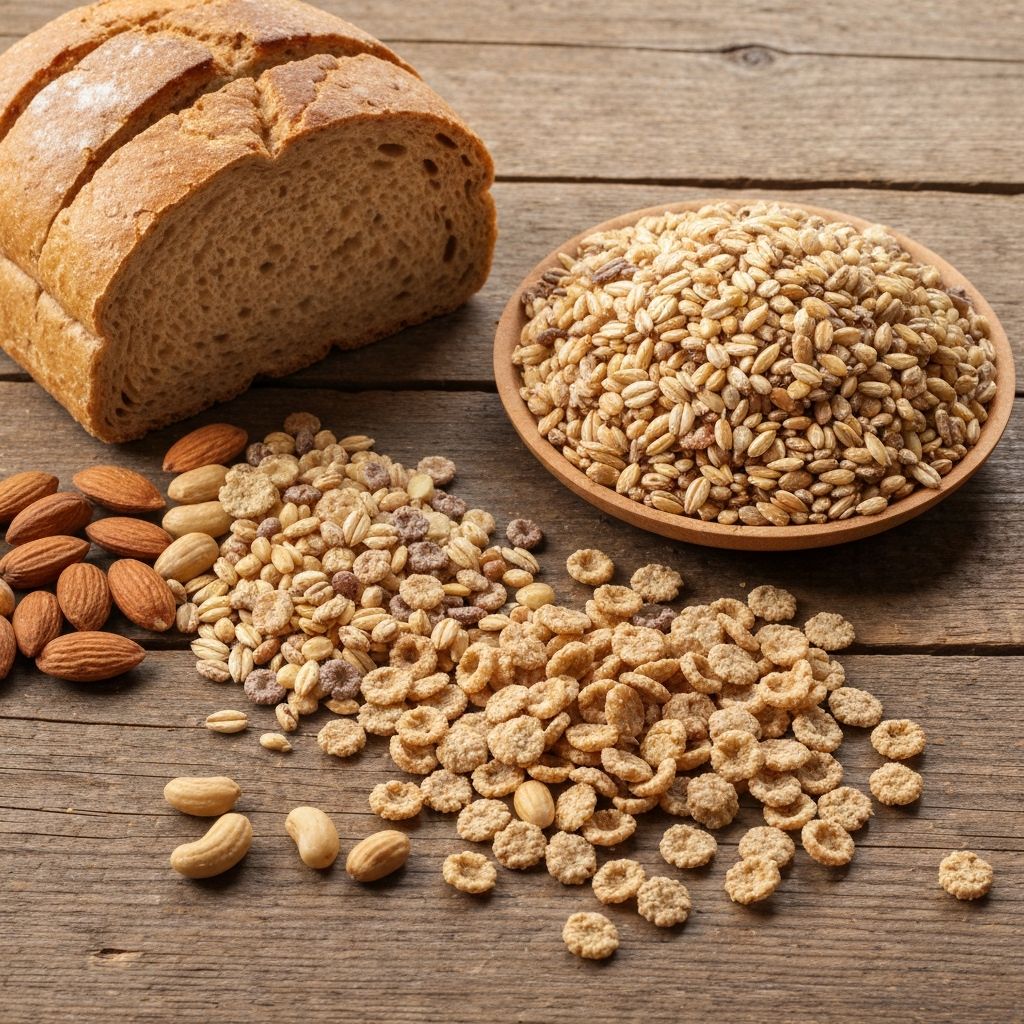
Oats, brown rice, and quinoa provide sustained energy through complex carbohydrates and fiber. They support digestive health and steady blood sugar levels.
Fatty fish like salmon are rich in omega-3 fatty acids, supporting heart and brain health. They're also excellent protein sources.
Beans, lentils, and peas provide plant-based protein, fiber, and various micronutrients. They're economical and versatile.
Almonds, walnuts, and seeds offer healthy fats, protein, and micronutrients. They make convenient, nutrient-dense snacks.
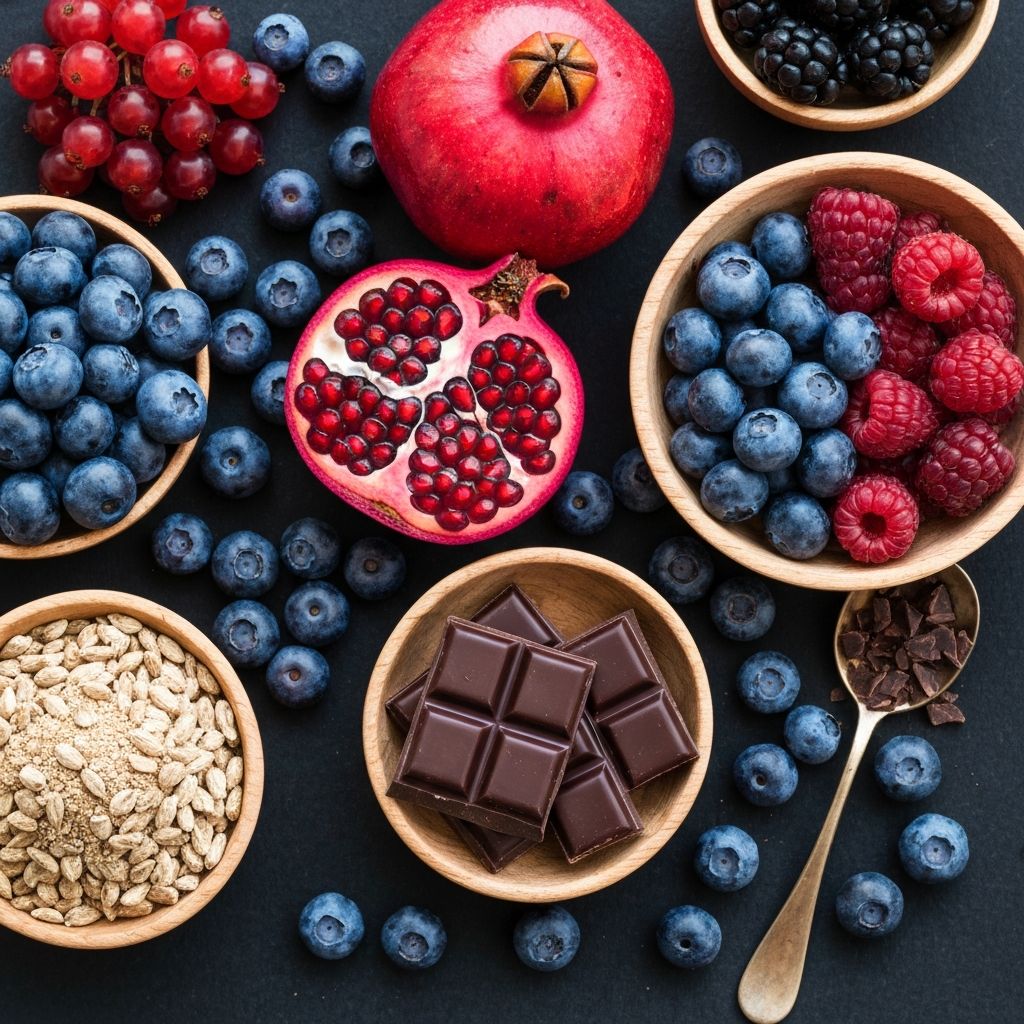
Berries, oranges, and other colorful fruits contain vitamins, fiber, and antioxidants. Their variety ensures diverse nutrient intake.
Separating Fact from Fiction
Fact: Your body requires healthy fats for hormone production, nutrient absorption, and brain function. Monounsaturated and polyunsaturated fats support cardiovascular health.
Fact: Complex carbohydrates from whole grains, fruits, and vegetables are essential energy sources that support brain and muscle function.
Fact: Regular meals support stable energy levels and metabolism. Skipping meals often leads to overeating later and metabolic stress.
Fact: Weight management depends on total caloric intake and energy expenditure, not meal timing. The timing of food consumption has minimal impact on weight.
Nutritional claims are often misrepresented in popular media. Understanding the difference between anecdotal evidence and scientific research is crucial for making informed decisions about your diet and health.
This resource provides general educational information. Individual nutritional needs vary significantly based on age, activity level, health status, and other factors.
The Foundation of Well-being
Water is fundamental to human health. It comprises approximately 60% of adult body weight and serves numerous critical functions including temperature regulation, nutrient transport, waste elimination, and joint lubrication.
Proper hydration supports cognitive function, physical performance, and overall wellness. Dehydration can impair concentration, increase fatigue, and affect physical performance.
Daily water needs vary based on climate, activity level, and individual physiology. A common guideline is the "8x8 rule" (eight 8-ounce glasses daily), though individual requirements differ.
While water is the primary hydration source, fruits and vegetables with high water content—such as watermelon, cucumbers, and oranges—also contribute to daily fluid intake.
Caffeinated beverages and mild diuretics like coffee have minimal impact on overall hydration status for regular consumers.
Supporting Digestive Health
Dietary fiber is a type of carbohydrate that your body cannot fully digest. Rather than being broken down for energy, it passes through your digestive system relatively intact, serving important functions along the way.
Found in oats, beans, and fruits, soluble fiber dissolves in water to form a gel-like substance. It helps regulate blood sugar levels and supports heart health by managing cholesterol.
Present in whole grains and vegetables, insoluble fiber doesn't dissolve in water. It adds bulk to stool and promotes regular digestive movement.
Practical Insight: Most people benefit from gradually increasing fiber intake while maintaining adequate hydration. Fiber supports digestive regularity and contributes to feeling satiated after meals.
Natural Defense Mechanisms
Antioxidants are substances that help protect your cells from damage caused by free radicals. Free radicals are unstable molecules produced during normal metabolism and in response to environmental stressors.
Common antioxidants include vitamins C and E, selenium, and various phytonutrients found in plants. Colorful fruits and vegetables—particularly berries, dark leafy greens, and cruciferous vegetables—are rich in antioxidant compounds.
Your body also produces its own antioxidant enzymes. Supporting these natural defense systems through a varied diet rich in fruits, vegetables, and whole foods is part of maintaining overall health.
Simple Principles for Healthy Eating
A practical approach to balanced nutrition involves considering your plate composition at each meal. One widely recognized model divides your plate as follows:
This model provides a general framework. Your specific nutritional needs depend on your age, activity level, metabolism, and health status.
Some individuals benefit from different macronutrient ratios. Consulting with appropriate professionals can help identify approaches suited to your circumstances.
Connecting with Nature's Bounty
Seasonal eating—consuming produce that's naturally available during specific times of year—offers numerous advantages. Seasonal foods are typically fresher, more flavorful, and often more nutrient-dense than out-of-season alternatives that require extended storage or transportation.
Asparagus, peas, artichokes, and leafy greens abundant during spring offer fresh vegetables rich in vitamins after winter months.
Berries, tomatoes, cucumbers, and stone fruits flourish. These hydrating vegetables and fruits are ideal for warm weather eating.
Squashes, root vegetables, and apples characterize fall harvest. These nutrient-dense foods provide sustained energy.
Citrus fruits, cruciferous vegetables, and storage crops provide immune-supporting nutrients during cold months.
How Your Body Processes Food
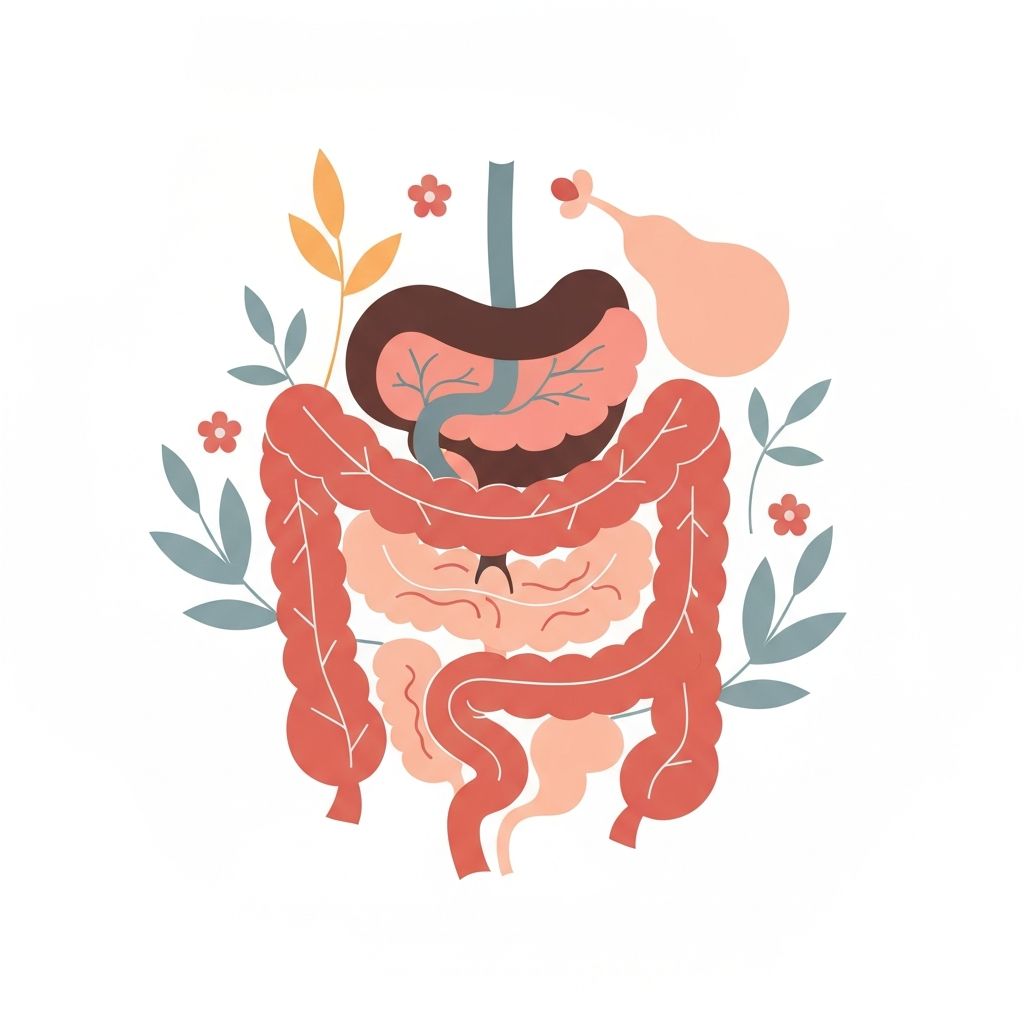
Digestion is a complex process that begins the moment food enters your mouth and continues through several stages as your body breaks down nutrients for absorption and utilization.
Mouth: Chewing breaks food into smaller pieces while enzymes begin carbohydrate digestion.
Stomach: Acids and enzymes further break down proteins and other components, creating a paste-like substance.
Small Intestine: This is where most nutrient absorption occurs. Pancreatic enzymes and bile assist in breaking down fats and other nutrients.
Large Intestine: Water is absorbed, and remaining material becomes feces, which is eliminated.
Adequate fiber intake, hydration, and managing stress all support healthy digestion. Chewing food thoroughly gives digestive enzymes more surface area to work with.
Individual digestive capacity varies. Some people have sensitivities or allergies to specific foods, requiring personal dietary adjustments.
Continue Your Educational Journey
We encourage you to explore more sections of this educational resource to deepen your understanding of nutritional well-being.
The information provided on this page is for educational and informational purposes only and is not intended as medical advice, diagnosis, or treatment. Always consult with a qualified healthcare professional before making significant changes to your diet or lifestyle. Individual results and needs vary significantly.
Educational content only. No promises of outcomes.